Beyond Wine and Coffee – The Top Five Hardest Carpet Stains That Will Give You Nightmares

I’ve seen just about every kind of mess Nashville can throw at a carpet. After fifteen years of cleaning homes across town—from the bungalows in East Nashville to the big family houses in Brentwood—I’ve learned one thing: wine and coffee are just the warm-up acts. Sure, they look awful, but compared to the real nightmares, they’re practically polite.

I still remember one Saturday morning callout in 12 South. The homeowner sounded panicked. “It’s worse than wine,” she said. “Way worse.” I walked in and found what looked like a paint explosion—but it wasn’t paint. It was purple hair dye, seeping through cream-colored carpet. That was the day I realized there’s a whole world of stains far nastier than the usual suspects.

So grab a cup of something strong (just don’t spill it), and let’s talk about the five toughest stains I’ve battled—and how you can fight them before they turn permanent.


1. Hair Dye – The Silent Carpet Killer

The DIY Disaster You’ll Regret

Hair dye is public enemy number one in my book. During the lockdown years, half of Nashville seemed to turn their bathrooms into home salons. Unfortunately, carpets got caught in the crossfire.

The thing about hair dye is that it’s made to stick. Those vibrant pigments chemically bond with carpet fibers in seconds. Once that happens, it doesn’t just “sit” on the surface—it becomes part of the carpet.

I once had a call from a young couple in Green Hills. They’d tried bleaching out purple streaks from their carpet after a home dye job went sideways. They ended up with a tie-dye masterpiece—patches of orange, yellow, and white where the bleach had eaten through the color. It took three rounds of professional treatment to fix it, and even then, it wasn’t perfect.

Here’s my advice: if hair dye spills, don’t rub. Blot it fast with a dry cloth, dab cold water, and stop there. Rubbing spreads the pigment and grinds it deeper, making it permanent. Call a professional right away. The sooner we get to it, the better your chances.


2. Nail Polish – The Glittery Nightmare

Why It’s Worse Than You Think

Nail polish is sneaky. It looks like a small spot, but it hardens like glass once it hits carpet fibers. The solvents in polish act fast, and once it dries, it’s basically superglue with color.

Nashville’s humidity doesn’t help either—it slows down nail polish remover but still lets the polish sink in. I had one client off Music Row who was getting ready for a Grand Ole Opry night when she knocked over a bottle of bright red polish. It splashed on her cream carpet and looked like a crime scene. She panicked and grabbed acetone. Big mistake. It stripped the carpet dye and melted part of the fiber.

Here’s what you should do: if it’s still wet, blot gently with paper towels. Don’t rub. If it’s dried, use a small amount of non-acetone remover on a white cloth—never colored towels—and dab, don’t scrub. For bigger spills, save yourself the stress and call someone like me. It’s one of those stains that punishes every wrong move.


3. Ink and Marker – The Creative Catastrophe

When the Kids Get Artistic

If you’ve got kids—or even one mischievous toddler—you’ve probably had that sinking feeling when you see marker lines running across your living room carpet. Ink stains are brutal because most are alcohol-based, which means they spread faster than you can grab a towel.

One East Nashville family once called me after their twin boys decided to “decorate” the carpet with black Sharpies. Their hearts sank when they tried rubbing it out—it just spread the ink into a big shadowy patch.

Printer ink, pen ink, and markers all share one thing: strong pigments made to last. Using the wrong cleaner can dissolve the ink and drive it deeper. A lot of online tips say to use rubbing alcohol, but too much of it removes the carpet’s own dye.

My go-to method involves isolating the area, using a tiny amount of solvent designed for ink, and extracting it with neutral rinse water right away. You can’t rush it—it’s all about patience and control. Parents, take it from me: if you’ve got little artists, keep washable markers in the house. It’ll save you hundreds of dollars and a few gray hairs.


4. Pet Urine and Odor – The Hidden Horror

What You Don’t See (and Smell Later)

Ah, pets—the lovable little chaos machines. I’ve got a dog myself, so I get it. These “accidents” happen. But pet urine is the gift that keeps on giving, especially in Tennessee’s warm, humid climate.

Here’s what most folks don’t realize: it’s not just the stain you see—it’s what’s happening underneath. Pet urine seeps through the carpet and padding, then reacts with bacteria as it dries. That chemical reaction produces ammonia and other gases that create that unforgettable smell. Even worse, when humidity rises, the odor comes back to life.

I once helped a Franklin homeowner whose puppy had used the same corner for months. She’d been shampooing it herself, but the smell wouldn’t quit. When I lifted the carpet, the padding underneath was almost black. We had to replace that entire section and deep-clean the subfloor before things returned to normal.

If your pet has an accident, blot immediately, use an enzyme-based cleaner, and dry the area completely. Avoid steam cleaners unless you’re using professional extraction—they can set the stain by heat-bonding the proteins.


5. Blood – The Panic-Inducing Stain

Heat, Time, and Chemistry – The Perfect Storm

Few things make homeowners panic like blood stains. Whether it’s a cut in the kitchen, a nosebleed, or a pet injury, the first instinct is usually to grab warm water and scrub. Unfortunately, that’s the worst move you can make.

Blood contains proteins that cook when exposed to heat. Warm or hot water makes them coagulate, locking them into the carpet fibers like glue. Once it dries, even professionals have a tough time pulling it out.

I’ve seen plenty of cases where folks tried hydrogen peroxide at full strength and ended up bleaching the carpet. A safer bet is a mild mix of cold water and a little dish detergent. Dab gently and rinse. If it’s already dried or covers a big area, that’s when you need professional help.

Beyond the stain, there’s also hygiene to consider. I always use sanitizing solutions after cleaning blood because even tiny residues can harbor bacteria. You want it spotless—and safe.


Why These Stains Stick Around

The Science Behind the Nightmare

So, what do these horrors have in common? They all involve strong chemical bonding. Hair dye and ink contain synthetic pigments designed to attach to fibers. Nail polish hardens into a resin shell. Blood and urine both involve organic compounds that react chemically with heat, time, and moisture.

Add in Nashville’s humidity and busy household routines, and you’ve got the perfect recipe for stains that seem alive. Many homeowners think it’s about scrubbing harder—but that only spreads the pigment or damages the pile. It’s about chemistry, timing, and method. That’s why pros invest in specialized solutions to break down those molecular bonds safely.


The Pro’s Secret Arsenal

What Years in the Business Have Taught Me

After fifteen years in the business, I’ve built a toolkit that could probably scare off most stains. Hot-water extraction, neutralizing rinses, enzyme cleaners, and color correction techniques—each has its place. The key is knowing when and how to use them.

For example, I carry separate extraction wands for pet treatments to avoid cross-contamination. I also keep color stabilizers for restoring areas where household cleaners stripped out the carpet dye. You wouldn’t believe how many “DIY rescues” I’ve had to redo after store-bought cleaners made things worse.

Over the years, I’ve cleaned everything from recording studios in The Gulch to family homes in Bellevue, and every stain tells its own story. But what they all share is this: early action makes all the difference. Waiting even one night can turn a minor spill into a permanent scar.


Prevention and Smart Cleaning Habits

How to Stay Ahead of the Chaos

Here’s the good news—you can prevent most of these nightmares with a few simple habits.

  • Keep the salon off the carpet. If you’re coloring your hair or painting your nails, do it on tile, or lay down a towel.
  • Set up a stain kit. Keep white cloths, mild detergent, and cold water in one spot so you can react fast.
  • Blot, don’t rub. Always. Rubbing grinds pigment deeper.
  • Handle pet messes immediately. Enzyme cleaners are worth their weight in gold.
  • Schedule a deep clean twice a year. Nashville’s dust, pollen, and humidity wear down fibers faster than you’d think.

If you’re in doubt, call a local professional before things get worse. The sooner we step in, the more we can save—your carpet, your budget, and your peace of mind.


Don’t Let the Carpet Win

After all these years working across Nashville, I’ve learned that carpets have a funny way of telling stories. Every stain is a memory—some sweet, some not so much. The trick is making sure those memories don’t last forever in fiber form.

So next time you knock over that hair dye or your pet has an accident, don’t panic. Breathe, blot, and remember that even the worst stains can be beaten with the right approach. And if all else fails, you know who to call.

Because in this town, music isn’t the only thing worth saving—your carpet deserves a happy ending too.
The Benefits of Low-Moisture Cleaning for Delicate Carpet Fibers

Low-moisture cleaning changes the game when caring for your carpets, especially those made from delicate fibers. This method provides a gentler cleaning solution and reduces drying time, which means less chance of mold and mildew creeping in.

Take some time to explore low-moisture cleaning, how it works, and the various benefits it can offer you. You’ll want to discover the best situations for this cleaning method and get tips for choosing a low-moisture cleaning service that fits your needs perfectly.

How Does Low-Moisture Cleaning Work?

Getting a grasp on low-moisture cleaning is vital to keeping your carpets and upholstery in top shape, especially when dealing with delicate carpet fibers that need extra care.

This innovative cleaning method uses advanced techniques and equipment to deliver a thorough cleaning, using less water and reducing drying time. By opting for low-moisture cleaning, you can boost the appearance of your carpets and extend their lifespan, making sure they look fresh and vibrant for years to come.

What is Low-Moisture Cleaning?

Low-moisture cleaning is a game-changer for your carpets. This specialized technique reduces water usage and speeds up drying time while tackling soil and stains on all carpet types and upholstery fabrics.

With this innovative approach, advanced cleaning processes use minimal moisture, providing a thorough yet gentle treatment for carpets. Unlike traditional methods that tend to drench your materials in water-based solutions, low-moisture cleaning protects the integrity of the fibers, reducing the risk of water damage and mold growth.

You’ll love that this technique ensures residue-free cleaning, meaning there’s no sticky buildup left behind—something all too common with conventional methods. As a result, your carpets will look pristine and dry much faster, letting you get back to enjoying your space without losing out on that deep cleaning power.

Benefits of Low-Moisture Cleaning

The benefits of low-moisture cleaning go way beyond just looking good. It covers all the bases of carpet care, ensuring your carpets stay clean, durable, and sustainable—making it a top pick for homeowners and businesses.

This method is kinder to delicate carpet fibers, plus it means your carpets dry faster, and there’s a much lower chance of mold and mildew. It’s a win for healthier indoor spaces!

Gentler on Delicate Fibres

Low-moisture cleaning is perfect for the gentle cleaning of delicate carpet fibers. It helps keep the carpets’ texture and integrity intact while effectively tackling stains and dirt.

This innovative method uses cleaning solutions that maintain controlled moisture levels, so you won’t have to worry about water damage that can make your carpets look worn over time.

Techniques like encapsulation cleaning trap dirt in a crystal-like structure, so you can easily vacuum it away, protecting those fibers from over-saturation. Plus, low-moisture methods help maintain the fabric’s vibrant colors and natural luster, allowing you to enjoy your carpets in pristine condition.

Choosing these gentle yet effective cleaning approaches ensures your carpets look fantastic and last longer.

Less Drying Time

One of the standout perks of low-moisture cleaning is the much shorter drying time, which means you can jump back into your daily routine without sacrificing the effectiveness of the cleaning.

This quick drying makes things more comfortable and boosts carpet maintenance and overall hygiene. With those shorter drying times, you can keep your carpets looking fresh without the hassle of long waiting periods. Plus, this proactive cleaning approach helps reduce the chances of mold and mildew showing up, which is essential for keeping your carpets in tip-top shape.

So, by choosing a low-moisture cleaning method, you’re not just maintaining your carpets but promoting a healthier indoor environment, which is a big win for anyone looking to keep their home clean and safe for the family.

Reduced Risk of Mold and Mildew

Using low-moisture cleaning methods helps reduce the risk of mold and mildew growth, which thrive in damp environments. It’s a safer choice for keeping your carpets and upholstery fresh and hygienic.

Moisture levels are essential for unwanted fungi to party in your home. Research shows mold and mildew flourish when humidity levels creep above 60%. So, it’s important to not only choose the proper cleaning techniques but also put effective sanitization measures in place to keep your interiors nice and dry.

For example, traditional cleaning methods might unintentionally add extra moisture to your space, but low-moisture alternatives can help reduce those cleaning headaches. They offer an eco-friendly solution that protects your health and extends the life of your fabrics. Adopting these practices can proactively create a cleaner, safer living space.

How Low-Moisture Cleaning Works

Low-moisture cleaning involves using specific techniques and specialized equipment to remove dirt, allergens, and stains without soaking your carpet or upholstery. It’s a smart way to get the job done while keeping water usage and moisture levels minimal.

Equipment and Techniques Used

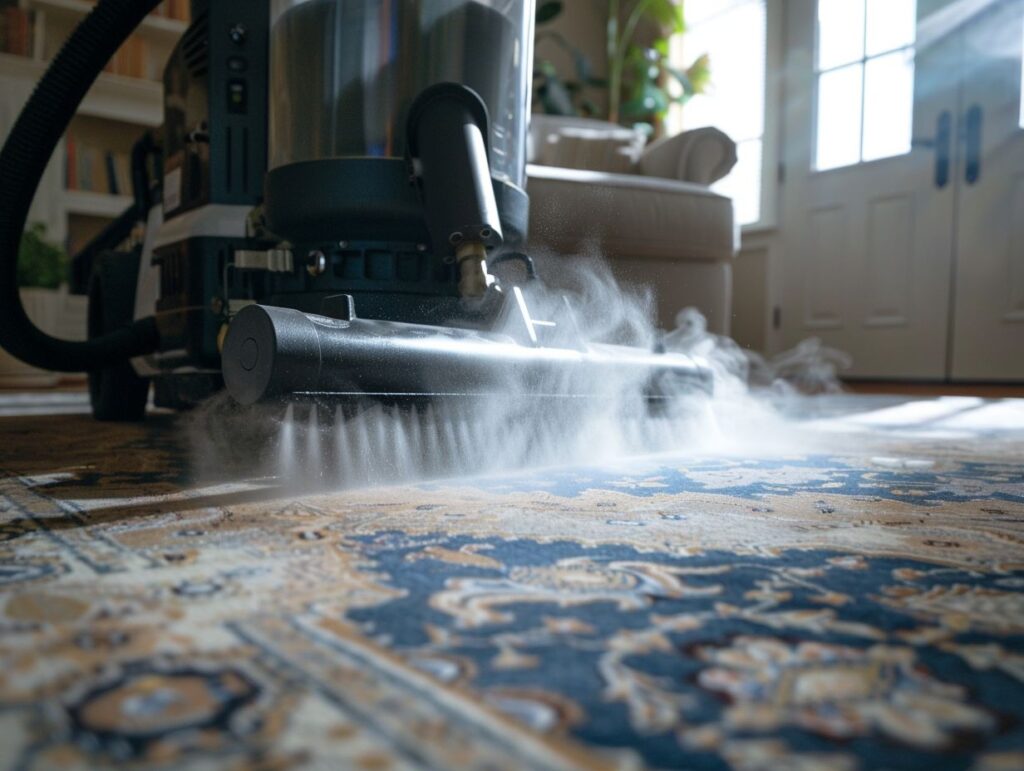
Low-moisture cleaning involves specialized equipment like encapsulation machines, rotary cleaners, and high-efficiency vacuum systems. These tools work together to remove dirt and stains thoroughly while keeping moisture levels in check.

With these tools, you can boost cleaning efficiency using targeted cleaning solutions that dissolve and encapsulate dirt without soaking the surfaces. Avoiding too much moisture can lead to extended drying times and mold growth.

Take the encapsulation machine, for example; it wraps soil particles in a special polymer, making it easy to vacuum them away once they dry. Rotary cleaners get in by agitating the floor while applying a cleaning solution, ensuring all debris is lifted.

And let’s not forget about high-efficiency vacuum systems—they play a significant role by reducing airborne dust, which helps improve indoor air quality and makes your overall cleaning process even better.

When to Use Low-Moisture Cleaning

Knowing when to use low-moisture cleaning techniques is critical to getting the most out of them. This method works wonders for specific carpet types where traditional cleaning won’t cut it.

Types of Carpets That Benefit

Certain carpet types, such as Berber, wool, and stain-resistant options, thrive with low-moisture cleaning thanks to their unique fiber structures and resistance to water damage.

This cleaning method keeps them looking sharp and helps maintain their integrity, ensuring they stay fresh and vibrant for longer. Many homeowners love how low-moisture cleaning can zap dirt and stains without soaking the carpet, which can sometimes cause shrinkage or mildew growth.

Using cleaning agents specifically designed for those fibers can enhance their protection, helping to preserve the carpet’s texture and color. This maintenance approach often keeps your carpet warranty intact since manufacturers usually recommend these methods to ensure durability and avoid potential damage.

Scenarios Where Low-Moisture Cleaning is Ideal

Low-moisture cleaning is a great option in various situations, especially in high-traffic areas, commercial spaces, or during those chilly winter months when drying times can interfere with carpet maintenance and hygiene.

This method excels at dealing with persistent problems like pet stains. If left unattended, those pesky stains can dig deep into carpet fibers and lead to unpleasant odors.

When considering investing in a carpet, it’s essential to consider long-term maintenance solutions. Low-moisture cleaning gives you a safe and efficient alternative to traditional methods. It keeps your carpets looking great while ensuring they’re hygienic since it reduces the risk of mold or mildew that often comes from too much moisture. Plus, it helps with stain removal without relying on harsh chemicals, making it a perfect choice for families with kids and pets.

Tips for Choosing a Low-Moisture Cleaning Service

Consider a few key factors When picking a low-moisture cleaning service. Check how well the company adheres to cleaning standards, look at customer satisfaction ratings, and ensure it uses professional-grade products and equipment.

After all, you want to prioritize both cleaning effectiveness and safety.

Factors to Consider

Several factors should be considered when choosing a low-moisture cleaning service. Consider the company’s experience, any customer education initiatives it offers, and the types of cleaning agents it uses to ensure safety and effectiveness.

You’ll want to evaluate their cleaning methods to see how well they can remove dirt and stains while minimising water usage. It’s also important to assess the training and qualifications of their cleaning staff—well-trained personnel are generally more likely to provide consistent quality in their work.

Remember to explore how committed the company is to eco-friendliness if they use sustainable cleaning products, that says a lot about their environmental impact. Lastly, make sure you understand the cleaning costs and compare them to the level of service they provide. This way, you can be sure you’re getting good value for your investment.

Squeaky Clean Secrets: Enter Hot Water Extraction

If you’re looking for a top-notch carpet cleaning solution, hot water extraction is the way to go.

Today, we are giving you a detailed overview of hot water extraction. We’ll cover the process, the steps, the equipment, and all the perks it brings, like getting your carpets super clean and kicking those allergens to the curb. We’ll even discuss the possible risks, safety tips, and precautions you should take. Stick around as we compare hot water extraction to other carpet cleaning methods.

What is Hot Water Extraction?

Deep cleaning your carpets and upholstery, such as hot water extraction or steam cleaning, is a go-to method. This technique involves using high-pressure hot water to shake things up in your carpet fibers, breaking down dirt for a thorough clean.

Hot Water Extraction is a champ at tackling those stubborn stains and deep-seated dirt that your regular vacuum can’t touch. By teaming up hot water with cleaning solutions, this process not only freshens up the surface but also gives your carpet or upholstery a good sanitizing. Regular sessions of Hot Water Extraction not only spruce up your carpets but also keep them in tip-top shape, helping to extend their lifespan by keeping them clean and free from nasty pollutants.

The Process of Hot Water Extraction

Regarding Hot Water Extraction, professional cleaners like you use specialized equipment to inject hot water and cleaning solutions deep into the carpet fibers. This ensures a thorough cleaning that effectively extracts dirt and grime.

Steps and Equipment Used

When you dive into Hot Water Extraction, there are a few key steps to keep in mind. First up is pre-treatment, then comes the hot water blasting under high pressure, followed by sucking up all those dissolved dirt particles, and finally, giving your carpet a good drying to leave it looking spick and span.

You’ll need some specialized gear to get started with Hot Water Extraction. Think of a robust pump and vacuum system to get the job done. Your water temperature should be cranked up to around 150-200 degrees Fahrenheit for optimal dirt and stain breakdown. Next, let that high-pressure water loose on your carpet fibers to shake loose all that embedded grime. Finally, it’s time for the extraction phase – using hot water and vacuum power together to zap away the dirt and excess moisture, leaving your carpet fresh and clean.

Deep Cleaning and Allergen Removal

Benefits of Hot Water Extraction

With Hot Water Extraction, you get a bunch of perks like a deep clean that goes down to the carpet fibers, kicking out tough stains and allergens and giving your upholstery a new lease on life for a clean and healthy living area.

Deep Cleaning and Allergen Removal

When you opt for hot water extraction deep cleaning, you’re in for a treat. It’s all about getting rid of stubborn dirt and grime while using carpet shampoo to give your carpets a new lease on life.

This method doesn’t mess around – it goes deep to tackle the hidden dirt and grime that your regular vacuum might miss. The hot water is like a superhero, breaking down tough stains and wiping out bacteria and allergens so your carpets look good and squeaky clean.

Let’s not forget about the carpet shampoo—it kicks things up a notch by lifting embedded dirt and leaving behind a delightful fragrance. Ultimately, you’re left with fresh, clean carpets that boost the vibe of your living space.

Potential Risks of Hot Water Extraction

When you opt for Hot Water Extraction, it’s usually a safe choice. However, you should be aware of some potential risks, like overwetting, which could result in carpet stains. After the cleaning, remember to keep up with proper carpet maintenance to keep it in top shape. Also, consider using environmentally friendly cleaning solutions to protect not only the carpet fibers but also the environment.

Precautions and Safety Measures

To ensure a successful hot water extraction process, you must take precautions and safety measures. Start by pre-vacuuming to remove dirt particles, follow the proper upholstery cleaning guidelines, and implement effective carpet care tips as you go through the cleaning process.

Pre-vacuuming is super important because it helps lift and get rid of loose dirt and debris before you start with the extraction part. You don’t want to skip this step!

Regarding upholstery cleaning, make sure to stick to the guidelines to avoid damaging fabrics or causing any discoloration. It’s all about keeping your furniture in top shape.

Remember those regular carpet care tips. Clean up spills immediately, use the proper cleaning solutions, and avoid going overboard with moisture. These tips are vital to keeping your carpets clean and lasting longer.

By following these practices, you can ensure that your Hot Water Extraction process is thorough and successful for all surfaces.

Alternatives to Hot Water Extraction

If you’re looking for options beyond Hot Water Extraction, there are a few alternatives to consider. You could explore steam extraction, check out different upholstery cleaning methods, or even consider getting stain-resistant carpets that can help keep spills and dirt at bay in the long run.

Comparing Different Carpet Cleaning Methods

When comparing different carpet cleaning methods, you have to consider the techniques they use, the equipment they bring in, and the skills of the pros doing the job.

One of the usual suspects in carpet cleaning is steam cleaning, also known as hot water extraction. This method dives deep, using hot water and detergent to clean your carpet thoroughly before sucking up all the dirt and debris.

Conversely, dry carpet cleaning methods like encapsulation keep things low-key on the moisture front. They rely on special detergents to clean your carpets without airing them out.

When you hire the pros, they’ll usually arrive with heavy-duty gear, such as industrial-grade steam cleaners or superpowered vacuums. That high-tech equipment helps them work faster and get better results, so your carpets look top-notch.

Did You Know Your Carpet Manufacturer Insists On Regular Carpet Cleaning and Protection?

It may sound strange but nowadays reputable carpet and rug manufacturers provide their warranties based on proper cleaning and maintenance of their products. if you adhere to their requirements then the warranty is valid. If you decide to skimp on cleaning your carpet fibres then you may risk to invalidate your manufacturer’s warranty. Most specifically they insists on the correct carpet stain protection through Scotchgard or a similar spot and stain shield product.

If you think about it it makes perfect sense to do as the maker of your carpet or rug says as it will extend the life of the floor covering you have purchased. Carpets and rugs take a ton of abuse through everyday use and therefore require attention so they can continue serving you year after year.

What Method Cleans Best?

As you probably know there many different types of carpet cleaning methods and not all of them deliver the same result. Depending on carpet construction you may have methods that must be used in order to prevent damage to the carpet fibers. So, which one should you go for?

Hot Water Extraction

My strongest recommendation will be Hot Water Extraction as it is the most effective way of removing dirt and grime from your precious floor coverings. Most manufacturers who sell carpets in Nashville, TN also recommend HWT as it has a proven track record of being the 1st choice of many carpet cleaners around the world. It works by jetting hot solution into your carpet fibers and then extract the loosened dirt particles using its powerful 3 stage vacuum motors. This method is really good for synthetic carpets although it can be deployed on wool mixtures too, however more care should be taken when doing so.

Dry Encapsulation Sponges

Another way of cleaning carpets is using a dry encapsulation method. It used natural sponges soaked in cleaning detergent that are spread on the surface, rubbed in by a contra-rotating brushes and then extracted using a powerful vacuum cleaner. This method is to be used on natural and 100% wool fibers as it doesn’t carry any risks of shrinkage.

Both carpet cleaning methods are approved by carpet manufacturers as they do not void any warranty on their products.

How to Protect Your Wool and Synthetic Carpet Floor Coverings?

The easiest and safest thing to do would be to call a reputable carpet cleaning company in Nashville and let them carry out the treatment. Mind you, this will save you time and money in the long run.

Book your carpet washing in advance to avoid disappointment

How to Find Recommended Carpet Cleaners in Nashville TN?

Your first point of call should be this (ahmm) website. We offer one of the most thorough carpet cleaning service including various methods of treating natural and nylon fibers – dry carpet cleaning, hot water extraction, fusion carpet cleaning, all systems are truck-mounted for power and and great result.

Get in touch today and breathe new life in your carpets, rugs and upholstery.

Carpet and Uphostery Cleaning Experts in Nashville

Nashville Carpet Cleaning will treat of your carpets and upholstery with the utmost care and respect in order to deliver successful result. We only use the best equipment manufactured by leading world brands. Are equipped to tackle any stain or mark on carpets or rugs anywhere within the state boundaries. Our technicians are fully bonded and well experienced.

Call us today on (615) 440-2800 and book your next carpet cleaning appointment in advance in order to avoid disappointment. We are very busy and our schedule is pretty tight.